 admin
admin How to Care for Venus Flytrap: 5 Essential Tips for Beginners to Keep It Thriving
The Venus flytrap (Dionaea muscipula) is a fascinating carnivorous plant that captures insects with its snap-traps. However, many beginners struggle to keep it alive due to misunderstandings about its unique needs. This guide demystifies the process, offering actionable steps to replicate its natural habitat and ensure long-term health.
Understand Its Natural Habitat
Venus flytraps thrive in nutrient-poor, acidic soils in subtropical wetlands of North and South Carolina. To mimic this environment:
Light: Provide 6-8 hours of direct sunlight daily. A south-facing window or grow lights work well indoors.
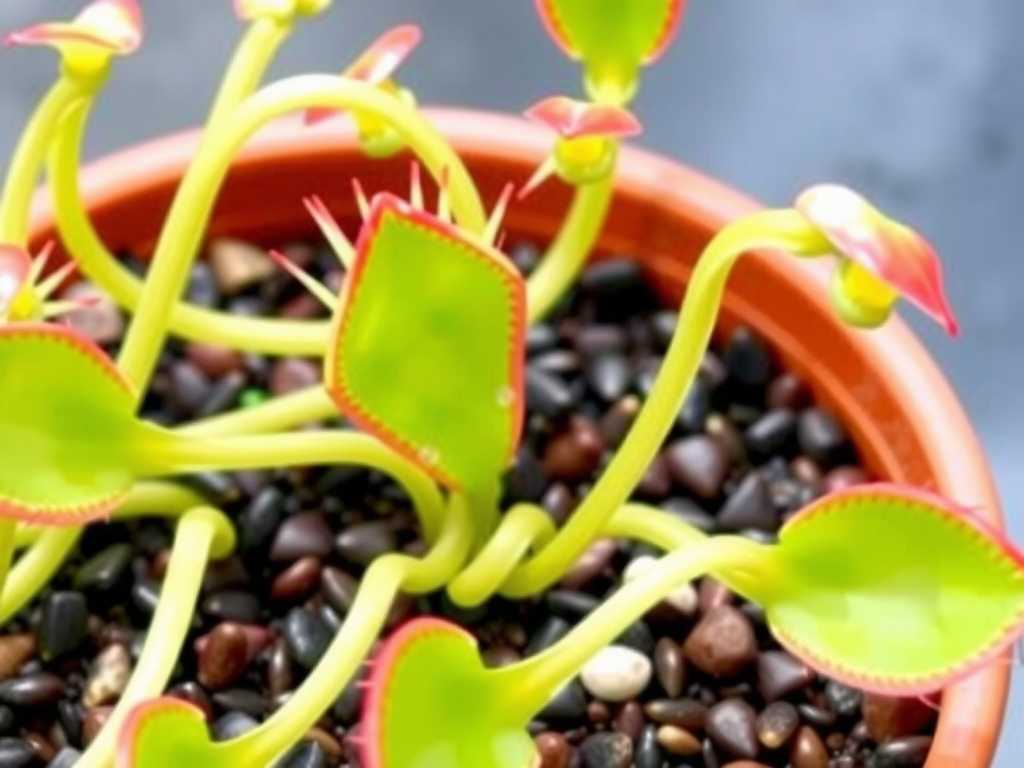
Humidity: Maintain 50%+ humidity. Use a humidity tray or terrarium in dry climates.
Airflow: Ensure gentle air circulation to prevent mold.
Use the Right Water and Soil
Water Quality: Tap water contains minerals that harm the plant. Use distilled water, rainwater, or reverse osmosis water. Keep the soil consistently moist but not waterlogged.
Soil Mix: Avoid traditional potting soil. Opt for a 1:1 blend of sphagnum peat moss and perlite. This mimics their natural sandy, acidic (pH 4.5-5.5) substrate.
Master Feeding Techniques
While Venus flytraps catch prey outdoors, indoor plants need occasional feeding:
Frequency: Feed 1-2 traps monthly during the growing season (spring to fall).
Prey Selection: Use live or freshly killed insects like flies, ants, or spiders. Avoid meat, which rots.
Post-Feeding Care: If a trap fails to reopen after digestion, trim it to conserve energy.
Avoid Common Mistakes
Over-Triggering Traps: Touching traps unnecessarily stresses the plant. Each closure uses energy—let them reset naturally.
Fertilizing: Never add fertilizers. Venus flytraps evolved to thrive in poor soil; nutrients burn their roots.
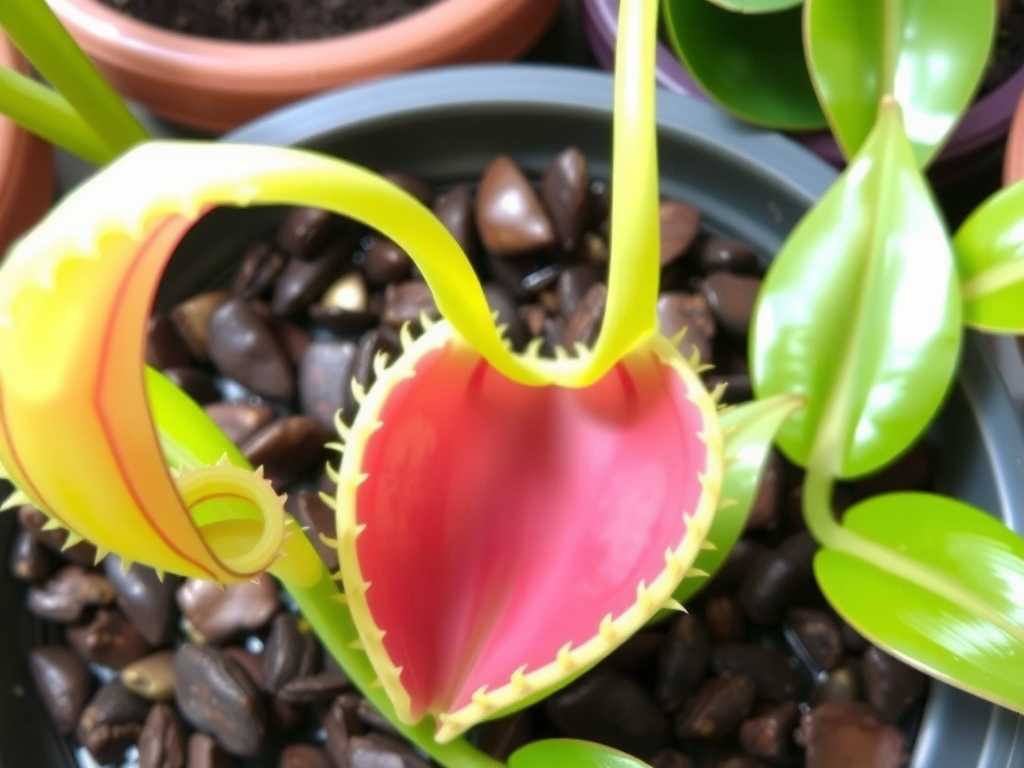
Dormancy Neglect: In winter, reduce watering and store the plant in a cool (35-50°F), bright location. Dormancy lasts 3-4 months and is vital for survival.
Repotting and Propagation
Repot Every 1-2 Years: Refresh the soil and divide the plant if it outgrows its pot. Best done in spring.
Propagate via Division: Split the rhizome (root system) into sections with leaves and roots. This rejuvenates older plants.
Expert Tip: According to horticulturist Dr. Sarah Smith, “Venus flytraps are surprisingly resilient once their core needs are met. Focus on replicating their natural bog environment, and they’ll reward you with years of growth.”
FAQs
Why are my Venus flytrap’s traps turning black?
Black traps often indicate overwatering, poor drainage, or root rot. Adjust watering and repot if necessary.Can I keep my Venus flytrap outdoors?
Yes, if your climate matches USDA zones 7-9. Ensure it gets full sun and protection from extreme weather.How long do Venus flytraps live?
With proper care, they can live 20+ years. Regular dormancy cycles and correct watering extend their lifespan.
By prioritizing light, water quality, and seasonal dormancy, even beginners can enjoy a thriving Venus flytrap. Remember: less is more—avoid overfeeding, overwatering, or overhandling to let this unique plant flourish.
发表评论