 admin
admin How to Troubleshoot Venus Flytrap: 6 Tips to Fix Dry Crispy Traps
There's nothing more disheartening for a Venus flytrap owner than watching those fascinating, snap-happy traps turn dry, crispy, and black. You’ve provided sunlight, distilled water, and the right soil, yet your plant seems to be struggling. If you're wondering how to troubleshoot a Venus flytrap showing these symptoms, you're not alone. Dry, crispy traps are a common cry for help, signaling that one or more critical care requirements are out of balance. This guide will walk you through the systematic steps to diagnose the root cause and implement effective solutions to restore your plant's health.
Understanding that some trap die-off is natural is crucial. Individual traps have a limited lifespan and will naturally blacken and die after several closures or as they age. However, when multiple traps or new growth rapidly turns dry and crispy, it's time to investigate. The key is to observe the pattern and context of the damage.
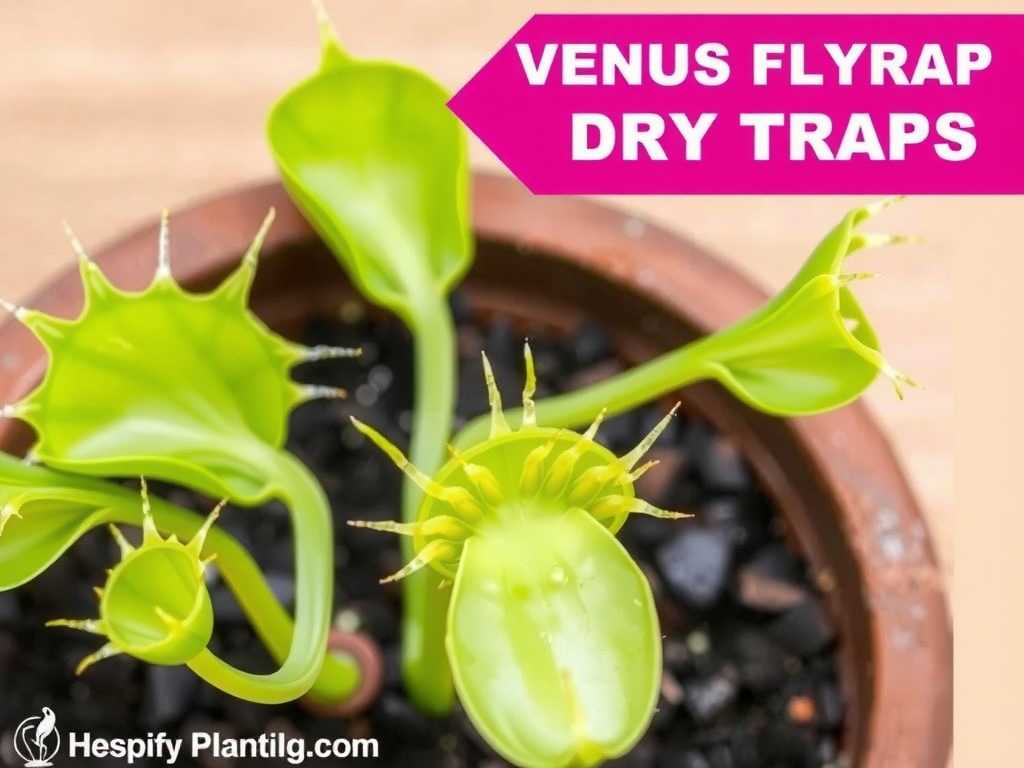
Diagnose the Watering Problem First
Watering issues are the leading cause of crispy Venus flytraps. These plants are native to nutrient-poor, perpetually damp bogs, not dry desert soils.
- The Perils of Tap Water: This is the most frequent culprit. Venus flytraps are extremely sensitive to minerals, salts, and chemicals found in tap water, such as chlorine, fluoride, and calcium. These substances accumulate in the soil, burning the roots and leading to crispy, brown traps. If you've been using tap water, this is likely the primary issue.
- Underwatering vs. Overwatering: Both can cause stress. The plant should never sit in dry soil. The preferred method is the "tray method": place the pot in a saucer or tray and keep it filled with about 1/2 inch of appropriate water. Conversely, while they like wet feet, they are not aquatic plants. A pot that is waterlogged without drainage can lead to root rot, which also manifests as dying, mushy, or crispy traps.
Solution: Immediately switch to water with less than 50 parts per million (ppm) of dissolved minerals. Rainwater, distilled water, or reverse osmosis water are the only safe choices. Water from below using the tray method, allowing the soil to be consistently moist but not flooded. Empty and refresh the tray water every few days to prevent stagnation.
Reevaluate Your Light Exposure
Venus flytraps are full-sun plants. Insufficient light is a major reason for weak growth and poor trap function, often preceding a general decline.
- Signs of Light Starvation: A plant receiving too little light will produce weak, elongated leaves with small traps. The plant becomes etiolated—stretching for light—and lacks the energy to sustain itself, making it more susceptible to other stresses that cause crisping.
- The Indoor Challenge: A sunny windowsill is often insufficient. While better than a dark corner, the intensity and duration of light through a window rarely match the plant's needs.
Solution: Provide a minimum of 4-6 hours of direct outdoor sunlight daily. If growing indoors, invest in a strong grow light for carnivorous plants. A full-spectrum LED grow light placed 6-12 inches above the plant, running for 12-14 hours a day, can mimic ideal conditions. Increased light will promote vigorous, colorful growth and improve the plant's overall resilience.
Check Humidity and Air Circulation
While they don't require jungle-level humidity, extremely dry air can contribute to traps drying out prematurely, especially in tandem with other stressors.
- Low Humidity Stress: In arid climates or heated indoor spaces, the leaf tips and traps can dry out faster than the plant can hydrate them. This is often seen as browning at the very edges of the traps.
- The Balance with Airflow: While a humidity boost can help, stagnant, humid air is a recipe for fungal issues like mold or botrytis. Good air circulation is vital to keep the plant healthy.
Solution: Avoid misting the traps directly, as this doesn't help long-term and can promote rot. Instead, use a humidity tray: fill a shallow tray with pebbles and water, and place the pot on top (ensuring the pot sits above the waterline). This creates a localized humid microclimate. Pair this with gentle air movement from an oscillating fan in the room to prevent stagnation.
Assess Soil and Potting Conditions
The wrong soil mixture is a silent killer. Standard potting mixes are fatal to Venus flytraps.
- Toxic Nutrients and Minerals: Regular potting soil contains fertilizers and minerals that will poison your plant, causing rapid decline and crispy death.
- Compaction and Drainage: Over time, even the correct soil can break down, become compacted, and lose aeration, harming the roots.
Solution: Repot your Venus flytrap every 1-2 years in a fresh, appropriate medium. The ideal soil mix for Venus flytraps is a 1:1 ratio of sphagnum peat moss and perlite or horticultural sand. Ensure the pot has excellent drainage holes and is made of plastic or glazed ceramic (unglazed terracotta can leach minerals). When repotting, carefully rinse the roots with distilled water to remove old, contaminated medium.
Consider Dormancy Requirements
Venus flytraps require a winter dormancy period of about 3-4 months. Skipping this rest stresses the plant, leading to weakened, poor growth and eventual collapse over time.
- Dormancy Deprivation: A plant kept in warm, bright conditions year-round will exhaust itself. It may not die immediately but will become progressively weaker, with smaller traps and increased susceptibility to crisping and disease.
- Providing the Chill: Dormancy is triggered by shorter day lengths and colder temperatures.
Solution: In late autumn, allow your plant to experience colder conditions (between 35°F and 55°F or 2°C-13°C). This can be achieved in an unheated garage, a cold frame, or even a refrigerator dormancy method for potted plants. Light levels can be low during this time. Watering should be reduced—keep the soil just barely damp, not wet. New, healthy growth will emerge as temperatures warm in spring.
Eliminate External Stressors
Finally, consider less obvious factors that can cause physical damage or shock.
- Overfeeding: Triggering traps for fun or feeding them more than one insect per trap every 1-2 weeks wastes the plant's energy. Each closure requires significant resources.
- Chemical Exposure: Even indirect exposure to fertilizers (from nearby plants), pesticides, or fungicides can be absorbed and cause damage.
- Temperature Shock: Sudden extremes, like a hot oven-like windowsill or a freezing draft, can scorch or freeze traps.
Solution: Let your plant catch its own food if possible. Keep it isolated from any treated plants. Ensure its location avoids temperature extremes and provides a stable environment consistent with its natural preferences.
Frequently Asked Questions
My Venus flytrap has a black trap, should I cut it off? You can, but it's not strictly necessary. Once a trap is completely black and crispy, it is dead. Gently trimming it off with sterile scissors can improve appearance and prevent potential mold from forming on the dead material. Always cut close to the base of the leaf, but avoid damaging the healthy, white rhizome.
Can I use bottled spring water for my Venus flytrap? No, it is not recommended. Bottled spring water contains varying levels of minerals, which can be too high for the plant. The safe bet is to stick with distilled, reverse osmosis, or collected rainwater. When in doubt, you can use a TDS (Total Dissolved Solids) meter; readings under 50 ppm are safe.
How often should I actually water my plant? Forget a fixed schedule. The answer is: as often as needed to keep the soil consistently moist. Using the tray method, check the water level daily, especially in hot or dry weather. Refill when the tray is nearly dry. In cooler or humid conditions, it may need refilling less frequently. The goal is constant, slight moisture, not alternating between drought and flood.
Reviving a Venus flytrap with dry, crispy traps requires patience and a return to the fundamentals of its care. The process is a systematic elimination of potential causes, starting with water quality and light. By ensuring you provide mineral-free water, intense light, the correct soil, and an annual dormancy, you create an environment where your plant can thrive. Observe your plant closely after each adjustment; healthy new growth is the ultimate sign of success. With these focused troubleshooting steps, you can move from simply keeping your flytrap alive to helping it flourish.

发表评论