 admin
admin How to Troubleshoot Venus Flytrap: 5 Essential Tips to Fix Bacterial Rhizome Rot
You’ve nurtured your Venus flytrap with care, watching it snap shut on unsuspecting insects. But now, something’s terribly wrong. The once vibrant leaves are blackening rapidly, not just the old traps but new growth too. The center of the plant, the rhizome, feels soft, mushy, and might even have a foul odor. Your heart sinks as you realize this isn’t normal dormancy or trap die-off. You’re likely facing a silent killer in the carnivorous plant world: bacterial rhizome rot. This aggressive condition can dismantle a healthy plant in days. But don’t despair. This guide is your action plan. We will detail how to troubleshoot Venus flytrap bacterial infections and provide five actionable tips to save your plant.
Understanding the Enemy: What is Bacterial Rhizome Rot?
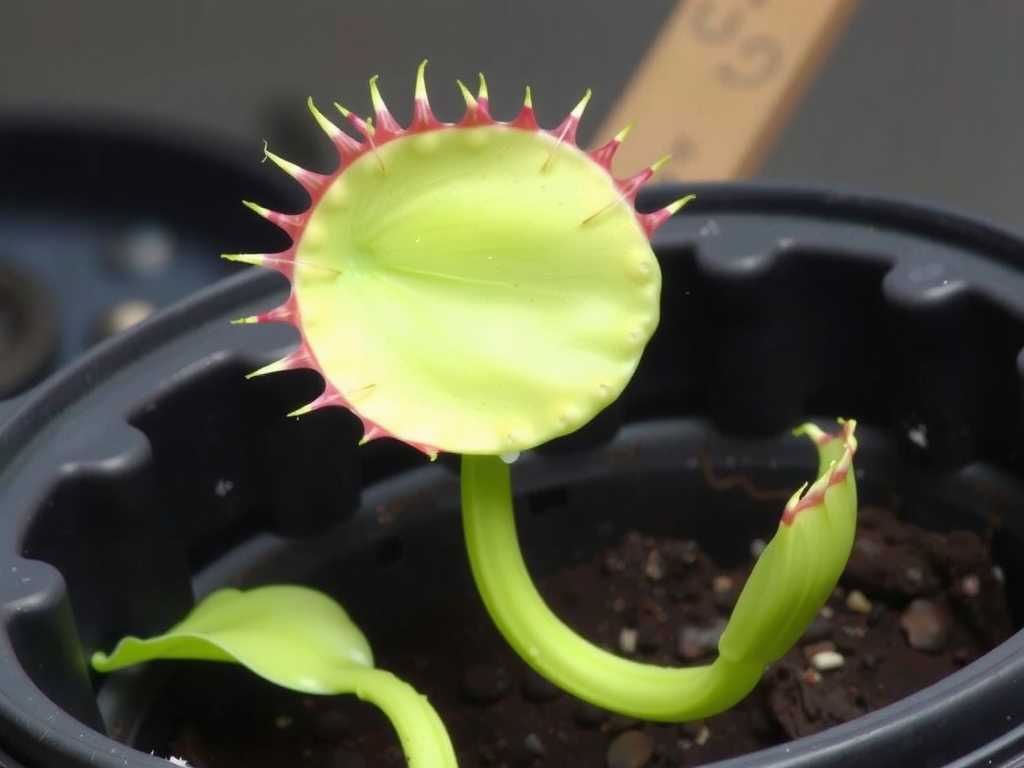
Before you can fix a problem, you must identify it correctly. The Venus flytrap’s rhizome is its lifeline—a thick, underground stem that stores energy and produces new leaves. Bacterial rhizome rot occurs when harmful bacteria, often Erwinia or Pectobacterium species, invade this critical tissue. These pathogens thrive in conditions that are too wet, poorly aerated, and warm.
The damage is internal and fast-moving. Bacteria liquefy the rhizome’s cells, turning firm, white tissue into a brown or black mush. This cuts off the water and nutrient supply to the entire plant. Key symptoms include: rapid, widespread blackening of leaves originating from the base; a soft, squishy rhizome when gently touched; a sour or rotten smell from the soil and rhizome; and a complete halt in new growth. Distinguishing this from normal leaf die-off is crucial. Healthy die-off is slow, affects older traps first, and the rhizome remains firm and white.
Your 5-Step Troubleshooting and Rescue Plan
Acting quickly and methodically is your greatest advantage. Here is your step-by-step protocol to troubleshoot and fix bacterial rhizome rot.
Immediate Isolation and Assessment
Your first move is containment. Immediately move the affected plant away from any other carnivorous plants to prevent potential spread. Gather your tools: sharp, sterilized scissors or a blade (use rubbing alcohol or a flame), a clean work surface, fresh sphagnum moss or a sterile carnivorous plant soil mix (peat moss/perlite), and a clean pot with drainage.
Gently remove the Venus flytrap from its current pot. Carefully wash all old soil away from the roots and rhizome under lukewarm, distilled or rainwater. This will give you a clear view of the damage. Now, you can begin the precise work of diagnosis and surgery.
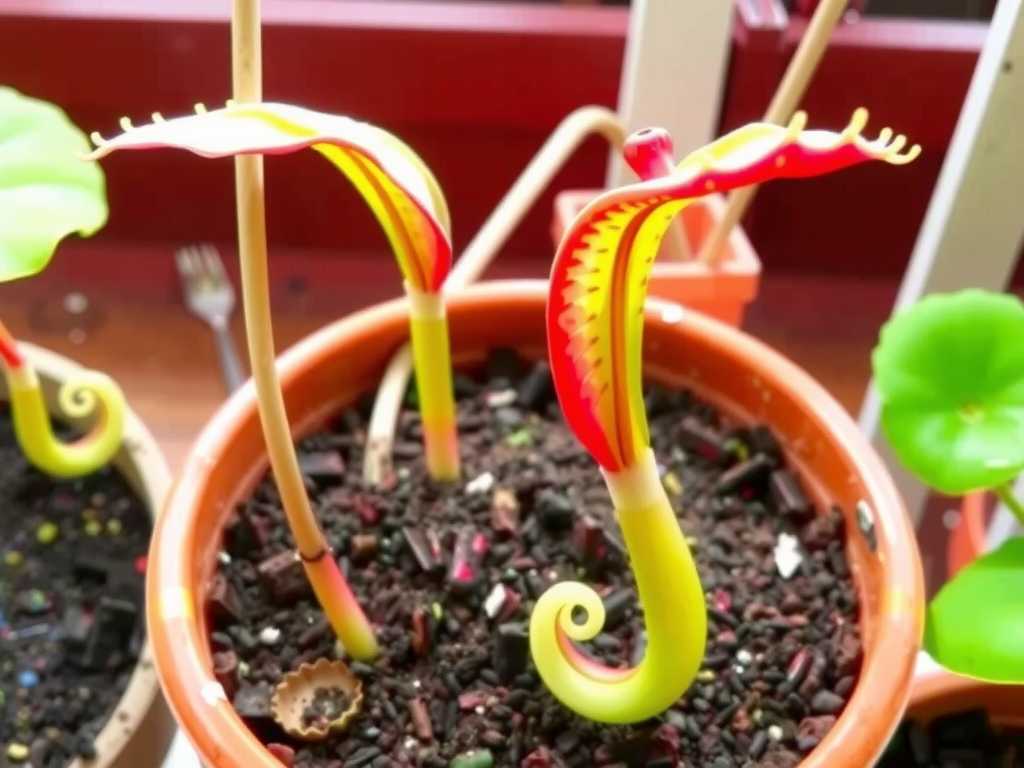
The Surgical Procedure: Removing All Infected Tissue
This is the most critical step. Your goal is to remove every trace of infected, soft, brown, or black tissue. Any bacteria left behind will continue the rot.
- With your sterilized tool, start cutting away soft, discolored leaves at their base.
- Inspect the rhizome meticulously. Cut away any soft, mushy, or darkened sections. Slice until you reach only firm, white or pale-colored rhizome tissue. This may leave you with a surprisingly small piece.
- If the rot has extended into the roots, trim away any that are slimy or disintegrate easily.
- Sterilize your tool between each cut to avoid re-contaminating the clean tissue. This surgical precision is non-negotiable for saving a plant from rhizome rot.
Applying a Protective Treatment
After surgery, the plant’s wounds are vulnerable. While some growers proceed without treatment, applying a mild antifungal or antibacterial agent can offer protection. A light dusting of sulfur powder or cinnamon (a natural fungicide with mild antibacterial properties) on the cut surfaces can help shield the tissue. Avoid harsh chemical fungicides not labeled for this use, as they can damage the sensitive plant.
The Fresh Start: Repotting in Sterile Medium
Never, ever put the rescued plant back into old soil. That medium is contaminated. Prepare a new pot with ample drainage holes. Fill it with a freshly opened, pre-moistened mix of 1:1 sphagnum peat moss and perlite, or pure, high-quality long-fiber sphagnum moss. Both are acidic, low-nutrient, and provide good aeration. Create a small hole and position the healthy rhizome section so the growth point is just at the surface. Gently firm the medium around it.
Post-Op Care and Recovery Monitoring
Recovery requires patience and perfect conditions.
- Watering: Use only distilled, reverse osmosis, or rainwater. Place the pot in a saucer and use the tray method, keeping the water level to about 0.5 inches. Allow the tray to dry out almost completely before refilling. This “flood and dry” approach provides moisture while allowing crucial oxygen to reach the recovering rhizome.
- Light: Provide very bright, indirect light initially. Avoid intense, direct sun which can stress the wounded plant. Once you see new growth, gradually move it to its preferred full sun location.
- Humidity: While high humidity is often recommended, ensure excellent air circulation to prevent stagnant, wet conditions around the plant. A fan in the room can help.
- Feeding: Do not feed the plant. It has no functional traps and needs to focus energy on root and rhizome regeneration. It will not require fertilizer.
Prevention: Building a Defense Against Future Rot
The best troubleshooting for Venus flytrap health issues is to prevent them from starting. Implement these practices to create an environment where rhizome rot cannot gain a foothold.
- Master the Watering Schedule: Overwatering is the primary cause. Venus flytraps need consistently moist but not waterlogged soil. Let the water in the tray dry up for a day or two before refilling. In cooler months, reduce watering frequency significantly.
- Prioritize Pot and Soil Aeration: Use pots with multiple drainage holes. The soil mix must be airy. Perlite or horticultural sand is essential to prevent compaction. Repot every 1-2 years to refresh the medium.
- Use the Right Water, Always: Tap water, with its dissolved minerals and salts, will slowly poison your plant and weaken its defenses, making it susceptible to issues like bacterial rot. Impure water is a leading cause of long-term plant failure.
- Provide Dormancy: A winter dormancy period of 3-4 months with cooler temperatures (35-50°F / 2-10°C) and reduced light is not a suggestion; it’s a biological requirement. It keeps the plant’s growth cycle healthy and resilient.
Expert Insight on Plant Resilience
Renowned horticulturist and carnivorous plant expert Dr. Barry Rice notes in his writings, “A healthy Venus flytrap, grown in appropriate mineral-free conditions with good light, has a remarkable ability to recover from setbacks, including partial rot. The key is early intervention and providing a sterile foundation for regrowth.” This underscores the importance of the cultural practices outlined above—they are not just maintenance, but essential healthcare for your plant.
Common Questions from Growers
- Can I use hydrogen peroxide to treat the rot? A diluted 3% hydrogen peroxide solution can be used to gently rinse the rhizome after cutting away rot. It bubbles, helping to dislodge debris and has antibacterial properties. Rinse briefly with clean water afterward and proceed to repot. It is a tool, not a cure-all; physical removal of infected tissue is still mandatory.
- My rhizome is completely soft. Is my plant dead? If the entire rhizome is mushy and no firm, white tissue remains, the plant cannot be saved. However, if you find even a small section with a firm texture and a potential growth point, there is hope. Proceed with the rescue steps.
- How long until I know if the rescue was successful? Do not expect quick results. It may take 4-8 weeks to see the first signs of new growth from the rhizome. Your job during this time is to maintain stable, optimal conditions—bright light, appropriate moisture, and no disturbances.
Bacterial rhizome rot is a severe threat, but it is not an automatic death sentence. Success hinges on swift, correct diagnosis and meticulous surgical removal of all infected material, followed by a sterile fresh start. The principles of prevention—pure water, perfect drainage, and proper dormancy—are your long-term strategy for cultivating a robust Venus flytrap that can thrive for years. By learning to recognize the early signs and having the confidence to act, you move from being a passive observer to an effective plant caregiver, capable of navigating even the most challenging situations.

发表评论