 admin
admin How to Repot Venus Flytrap: 6 Tips to Water Sparingly After Repotting
You’ve just carefully repotted your Venus flytrap, giving its roots fresh, nutrient-poor soil and a new home. But now comes the most critical, and often misunderstood, phase: the aftercare. The single biggest mistake that leads to a repotted flytrap’s demise isn’t the repotting itself—it’s improper watering in the weeks that follow. Overwatering can quickly lead to root rot in the sensitive, newly settled roots, while underwatering can cause fatal stress. This guide provides a clear roadmap, focusing on the essential principle of watering sparingly after repotting to ensure your carnivorous plant not only survives but thrives.
Understanding the “Why” Behind Sparing Water
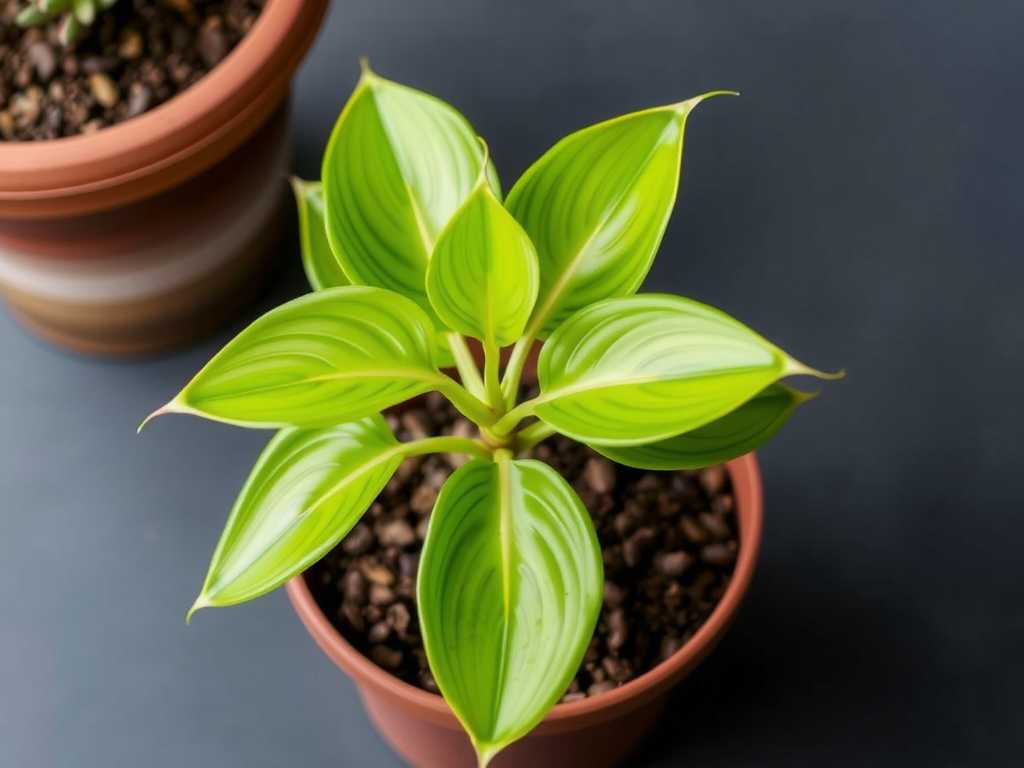
To master the “how,” you must first understand the “why.” A Venus flytrap’s root system is surprisingly delicate and shallow. During repotting, these roots experience minor disturbances and need time to re-establish themselves in the new medium. Soggy soil creates an anaerobic environment where harmful fungi and bacteria flourish, attacking the vulnerable roots. Watering a repotted Venus flytrap correctly is less about providing moisture and more about preventing this fatal scenario. The goal is to keep the soil consistently damp—never sopping wet, never bone dry—to encourage root recovery without promoting rot.
Tip 1: The Right Initial Soak is a One-Time Event
Your watering strategy begins the moment the repot is complete. After placing your plant in its new pot with the appropriate peat moss and perlite mix, give the soil a thorough, initial soak. Use distilled water, rainwater, or reverse osmosis water only. This settles the medium around the roots and provides initial moisture. Crucially, this is the last time the soil should feel waterlogged. From this point forward, the mantra shifts to maintaining moisture after repotting through careful, minimal intervention.
Tip 2: Ditch the Saucer – Embrace the Tray Method
For established flytraps, the tray method (keeping the pot in a shallow tray of water) is excellent. For a freshly repotted plant, this can be too much. Instead, for the first 2-3 weeks, water from the top. Place the pot in an empty saucer. Pour water slowly onto the soil surface until you see just a little excess water drain into the saucer. Wait a minute, then discard this excess water from the saucer. Do not let the pot sit in standing water. This technique gives you precise control, ensuring the root zone gets moisture without becoming submerged.
Tip 3: The Finger Test is Your Best Tool
Forget the calendar. The only reliable schedule is the condition of the soil. Before even thinking about adding more water, perform the simple finger test. Insert your finger about an inch into the soil. If it feels cool and slightly damp, wait. If the very top layer is starting to feel just barely dry to the touch, it’s time for a small drink. This method of conserving water for Venus flytraps post-repotting trains you to respond to the plant’s actual needs, drastically reducing the risk of over-love through overwatering.
Tip 4: Prioritize Humidity Over Soil Moisture
A repotted flytrap is under mild stress, and maintaining high ambient humidity can reduce its reliance on water uptake from its stressed roots. Cover the plant with a clear plastic bag or place it inside a terrarium-like environment for 7-10 days after repotting. This creates a mini-greenhouse effect. You’ll often find the soil stays moist much longer under the dome, meaning you’ll need to add water far less frequently. Ensure the cover has some slight ventilation to prevent mold and remove it gradually to acclimate the plant.
Tip 5: Light and Location Dictate Thirst
A flytrap in a hot, sunny windowsill will use water faster than one in cooler, shadier conditions. After repotting, it’s often wise to provide bright but indirect light for a week or so before returning it to full, direct sun. This reduces water loss through transpiration (the plant’s version of sweating), meaning the soil will dry slower and require less frequent watering. As noted by horticulturist and carnivorous plant expert Dr. Damon Collingsworth, “Post-repotting care is about minimizing stress factors. Temporarily reducing light intensity eases the demand on the root system while it recovers.”
Tip 6: Observe the Plant, Not the Pot
Your plant will give you signals. Slight wilting or lack of vigorous growth in the first week is normal as energy is directed to the roots. New growth is the ultimate sign of success. However, if you see blackening leaves rapidly spreading from the base or a persistently soggy, mossy soil surface, you are likely overwatering. Conversely, if all traps and leaves become completely crisp and dry, you’ve swung too far the other way. Adjust your sparing watering technique based on these visual cues.
FAQs: Your After-Repotting Concerns Addressed
My repotted flytrap’s traps are all closing slowly or not at all. Is this due to my watering? Yes, this is common and directly related. The repotting process and adjusted watering focus energy on root regeneration, not trap function. It’s a temporary state. Do not try to “feed” it to stimulate it. Ensure proper, sparing moisture and bright light, and it will produce new, fully functional traps in a few weeks.
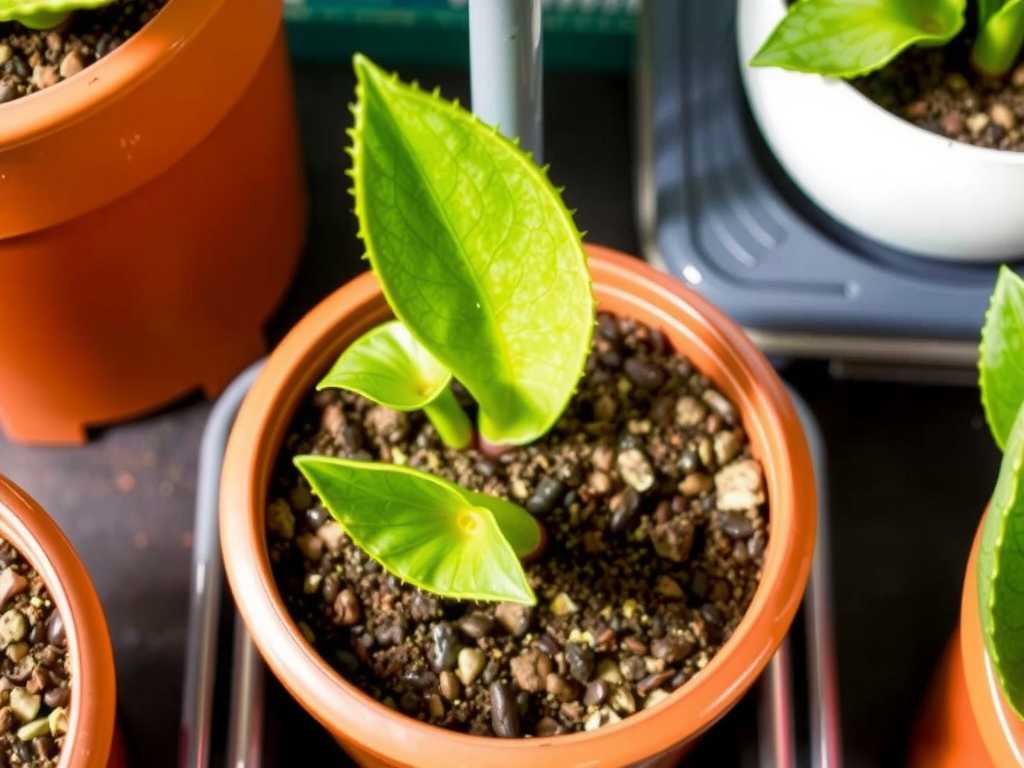
When can I safely return to the bottom-watering tray method? You can transition back to the tray method once you see consistent new growth (2-3 new leaves emerging from the center). This indicates the roots have re-established. Start by adding only a quarter-inch of water to the tray and letting the pot absorb it completely before adding more, rather than leaving it in a permanently full tray.
What type of water is non-negotiable during this sensitive phase? This is absolutely critical. Only use pure water sources: distilled, rainwater, or reverse osmosis. Tap water, spring water, or bottled drinking water contain minerals (like calcium and magnesium) that will quickly build up in the new soil, burn the sensitive roots, and can kill your plant, regardless of how carefully you water. The purity of your water is the foundation of all successful Venus flytrap repotting and irrigation practices.
Mastering the art of watering sparingly after repotting is what separates successful flytrap growers from the frustrated. It requires patience, observation, and a willingness to hold back. By prioritizing root health over top growth, using the finger test as your guide, and creating a supportive humid environment, you give your Venus flytrap the best possible foundation in its new pot. Remember, in the weeks following a repot, less water is almost always more. Your vigilant care now will be rewarded with a resilient, insect-catching plant for seasons to come.

发表评论