 admin
admin How to Troubleshoot Venus Flytrap: 7 Tips to Avoid Lethargic Traps from Overfeeding
You’ve lovingly placed your Venus flytrap in the sunniest spot, watered it with pure water, and watched it thrive. Eager to see those fascinating traps snap shut, you begin feeding it—perhaps a bit too enthusiastically. Soon, you notice something alarming. The traps that once snapped shut with vigor now seem slow, blacken prematurely, or refuse to close at all. This lethargy in your plant’s most iconic feature is a classic sign of trouble, often stemming from a common caretaker error: overfeeding. Understanding how to troubleshoot Venus flytrap issues, particularly those related to feeding, is crucial for its survival. This guide will walk you through seven essential tips to diagnose, correct, and prevent problems caused by overfeeding, ensuring your carnivorous plant remains healthy and responsive.
A Venus flytrap’s trapping mechanism is a marvel of natural engineering, but it’s also a delicate system with finite energy. Each trap has a limited lifespan and can only close and digest a handful of times—typically between 3 to 5 times—before it dies back. Overfeeding forces the plant into a constant state of energy-intensive digestion, draining its resources and leading to lethargic traps.
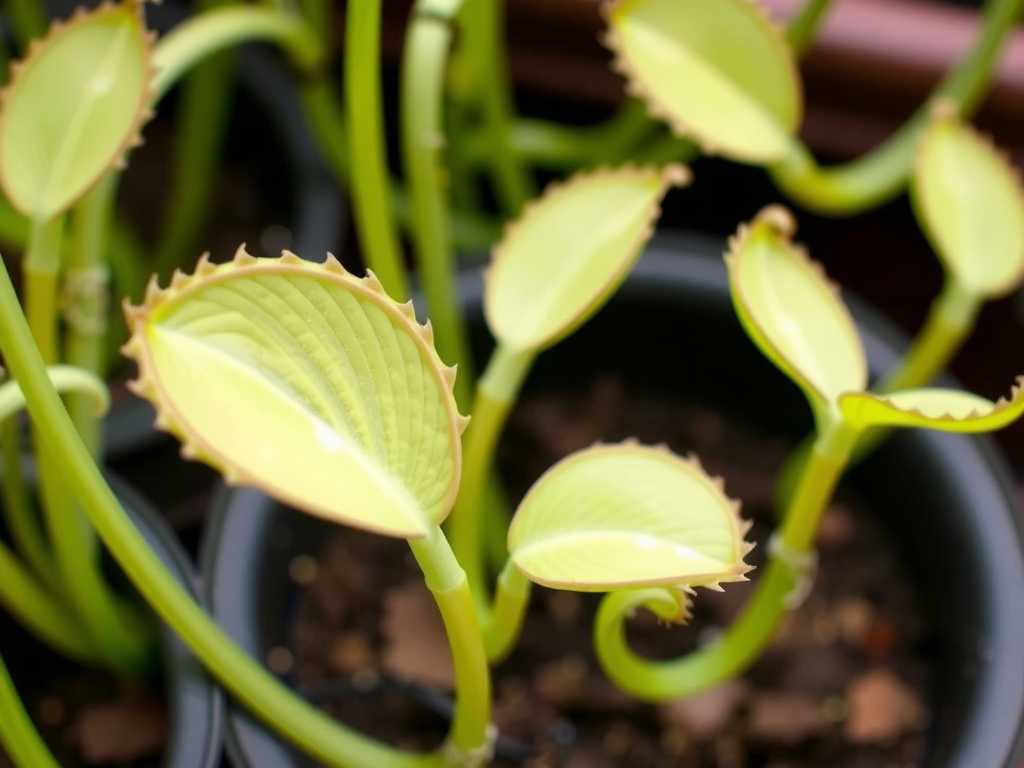
1. Diagnose the Signs of an Overfed Venus Flytrap
Before you can fix the problem, you must correctly identify it. An overfed plant shows distinct symptoms that differ from other issues like insufficient light or poor water quality.
The most immediate sign is trap lethargy. A healthy trap should snap shut within seconds of proper stimulation. An overworked trap may close slowly, incompletely, or not at all. Following this, the trap often turns black and dies much faster than the plant’s natural cycle. This is because the digestive process consumes immense energy. If multiple traps are blackening simultaneously, especially soon after feeding, overfeeding is a likely culprit. Additionally, the plant may exhibit stunted new growth. With its energy diverted to constant digestion, fewer resources are available for producing new leaves and traps, halting your plant’s development.
2. Implement an Immediate Feeding Moratorium
The single most important step is to stop all feeding immediately. This is the cornerstone of Venus flytrap troubleshooting for overfeeding. Your plant needs a complete break from digestion to recover and redirect its energy.
A Venus flytrap is not like a pet that needs daily meals. In their natural habitat, they may catch only a handful of insects per growing season. Place your plant in optimal conditions—full sun (at least 6 hours of direct light daily) and standing in distilled, rainwater, or reverse osmosis water—and let it focus solely on photosynthesis. This moratorium should last for a minimum of 4-6 weeks, or until you see strong, new growth emerging from the center of the plant.
3. Master the Art of Correct Feeding Frequency
Prevention is always better than cure. Once your plant has recovered, adopting a conservative feeding schedule is key to avoiding future issues.
A good rule of thumb is to feed only one trap per plant every 2 to 6 weeks, and only if the plant is actively growing in strong light. The trap you choose should be fully open, healthy, and mature. Never feed a trap that is small, still developing, or has already closed multiple times. Remember, photosynthesis is the plant’s primary food source; insects are merely a supplemental nutrient boost. As renowned carnivorous plant expert Barry Rice notes in his book Growing Carnivorous Plants, “The biggest mistake beginners make is thinking their flytrap is hungry. In cultivation, they often get more than enough food from the environment without your help.”
4. Choose and Offer the Right Prey
Feeding the wrong thing can cause as much stress as feeding too often. The size and type of prey are critical.
The prey should be no larger than one-third the size of the trap. An insect that is too large cannot be sealed properly, leading to bacterial rot that kills the trap. The prey must also be alive or freshly killed to stimulate the trigger hairs inside the trap. This stimulation is necessary for the trap to secrete digestive enzymes. Never feed your Venus flytrap human food like hamburger, cheese, or fruit. These contain fats, proteins, and sugars that the plant cannot digest and will almost certainly cause the trap to rot.
5. Optimize Environmental Conditions for Recovery
A stressed plant needs perfect conditions to bounce back. Overfeeding is a metabolic burden, so you must support the plant’s basic needs impeccably.
Light is Non-Negotiable Provide a minimum of 6 hours of direct sunlight outdoors, or equivalent intense artificial light (e.g., LED or fluorescent grow lights) indoors. Strong light fuels photosynthesis, which generates the energy needed for repair and growth.
Water Purity is Paramount Always use low-mineral water: distilled, rainwater, or reverse osmosis water. Tap water, containing dissolved minerals, will slowly poison your plant, compounding its stress and leading to root burn and decline. The soil should be kept consistently moist but not waterlogged.
Dormancy is Essential A healthy annual dormancy period in winter, where the plant experiences cooler temperatures and reduced light, is vital for its long-term health and vigor. A plant denied dormancy will be weak and more susceptible to issues like overfeeding stress.
6. Prune and Groom to Redirect Energy
While it may be disheartening to remove parts of your plant, strategic pruning aids recovery from overfeeding lethargy.
Gently snip off any completely blackened, dead traps or leaves at their base using clean, sharp scissors. This does two things: it improves air circulation, reducing the risk of fungal infection, and more importantly, it signals the plant to stop wasting resources on lost causes and to focus energy on producing new growth from its rhizome.
7. Practice Patience and Observe
The recovery process is not instantaneous. After implementing the steps above, patience becomes your most important tool.
Resist the urge to poke, prod, or attempt to feed the plant during its recovery. Observe it weekly. Positive signs include the emergence of fresh, green growth from the center and the development of new, small traps. These new traps will be your indicator that the plant is ready to slowly return to a normal, minimal feeding routine.
Why did all my Venus flytrap’s traps turn black after I fed them? This is a classic symptom of overfeeding or feeding inappropriate food. Each trap has a limited digestive lifespan. Feeding too many traps at once, or feeding too frequently, exhausts the plant’s energy reserves, causing widespread trap death. Ensure you are feeding only one healthy trap per plant every few weeks.
Can a Venus flytrap die from overfeeding? Yes, indirectly. While the act of digestion itself isn’t instantly fatal, the cumulative stress can be. Constant digestion depletes the plant’s energy, weakens its system, halts new growth, and makes it highly susceptible to other stressors like fungal infections or slight errors in watering. A severely overfed plant can certainly decline and die.
How do I know if my Venus flytrap is hungry? Should I feed it? A Venus flytrap does not feel “hunger” as animals do. Its need for insects is supplemental. A healthy, brightly colored plant growing in strong light is getting most of what it needs from photosynthesis. You may choose to feed a single trap occasionally to boost growth, but it is never a requirement for a plant grown outdoors where it can catch its own prey. Focus on providing perfect light, water, and soil instead.
Seeing your Venus flytrap’s traps become lethargic or die back can be worrying, but it’s often a clear message about its care. By recognizing the signs of overfeeding, implementing an immediate feeding break, and mastering a conservative, correct feeding technique, you give your plant the best chance to recover its vitality. The path to a thriving flytrap lies not in frequent feeding, but in mimicking the lean, bright, and mineral-free conditions of its natural home. With these seven tips, you can confidently nurture a plant that is not only alive but actively engaging with its world, one careful, well-timed snap at a time.

发表评论