 admin
admin How to Care for Venus Flytrap: 3 Key Tips to Avoid Overwatering Disaster
You’ve brought home a fascinating Venus flytrap, eager to watch it snap shut on unsuspecting prey. But within weeks, your plant turns black, mushy, and dies. The culprit? Overwatering. It’s the single most common killer of these captivating carnivores. Understanding their unique needs is the difference between a thriving predator and a soggy disaster. This guide provides the essential knowledge to master Venus flytrap watering, ensuring your plant not only survives but flourishes.
The Golden Rule: It’s a Bog Plant, Not a Water Lily
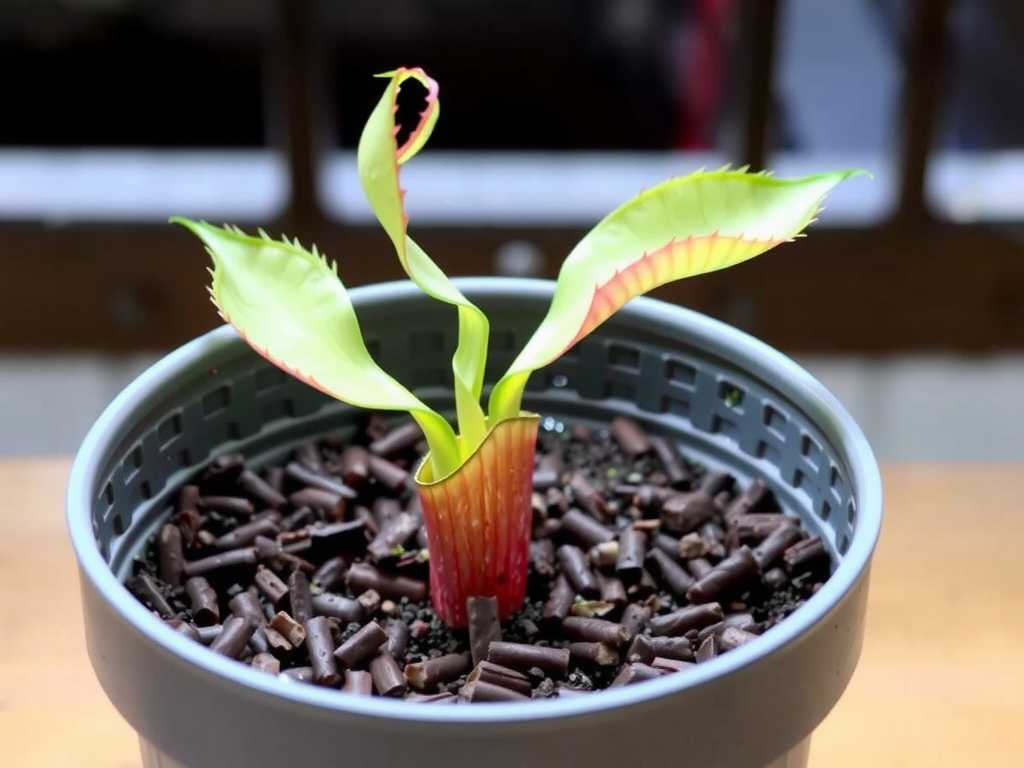
The fundamental mistake is treating a Venus flytrap like a typical houseplant. Native to the nutrient-poor, sunny bogs of the Carolinas, their roots are adapted to a very specific environment: consistently moist, but never waterlogged, soil with excellent drainage and low mineral content. Overwatering disaster strikes when this balance is lost, leading to root rot—a fatal condition where roots suffocate and decay in stagnant, oxygen-deprived soil.
Tip 1: Master the Watering Technique – The Tray Method is Your Best Friend
Forget top-watering on a schedule. The safest, most effective way to hydrate your Venus flytrap is the tray method. This technique mimics the natural seepage of a bog, allowing the plant to draw water upward as needed.
Here’s how to do it right:
- Use the Right Water: This is non-negotiable. Tap water, bottled spring water, and filtered water often contain dissolved minerals (like calcium and magnesium) that will slowly poison your plant. Only use rainwater, distilled water, or reverse osmosis water.
- Choose a Suitable Pot: Select a pot with ample drainage holes. Glazed ceramic or plastic pots are ideal. Always use a deep saucer or tray underneath.
- The Watering Process: Place your pot in the tray. Pour your purified water into the tray, not the pot. Fill the tray to about 0.5 to 1 inch (1-2.5 cm) deep. Allow the soil to absorb the water from the bottom up until the surface feels moist.
- The Dry-Down Cycle: Let the tray dry out completely before refilling. This is crucial. The soil surface can feel slightly dry to the touch. Wait a day, then refill the tray. This cycle of wet-to-damp prevents the soil from becoming perpetually saturated.
Expert Insight: According to the International Carnivorous Plant Society, the tray method provides the consistent moisture Venus flytraps crave while preventing the crown of the plant from sitting in constant wetness, a primary cause of rot.
Tip 2: Choose the Correct Soil – Drainage is Everything
The wrong soil mixture guarantees water retention and doom. Standard potting soil, compost, or fertilizer will kill your Venus flytrap. They require a sterile, low-nutrient, and fast-draining medium.
The Perfect DIY Mix:
- 1 part Sphagnum Peat Moss: Provides acidity and moisture retention. Ensure it is nutrient-free.
- 1 part Perlite or Horticultural Sand: Ensures critical drainage and aeration. If using sand, it must be coarse and silica-based (not builder’s sand or beach sand).
Pre-mixed carnivorous plant soil is also an excellent option. This specialized soil mix creates an airy structure where water can flow through easily, preventing the dreaded waterlogging that leads to overwatering disaster.
Tip 3: Read Your Plant’s Signals – Prevention Over Cure

Your Venus flytrap communicates its health. Learning these signs helps you act before an overwatering problem becomes fatal.
Signs of a Healthy, Well-Watered Plant:
- Traps are brightly colored inside (often pink or red).
- New growth emerges from the center regularly.
- Leaves and traps are firm and upright.
Early Warning Signs of Overwatering:
- Persistent Sogginess: The soil surface remains wet and muddy for days after watering.
- Limp, Wilting Leaves: Leaves turn soft and droopy, not from dryness, but from root distress.
- Stunted or Black New Growth: New leaves emerging from the center turn black and die before opening.
Advanced Symptoms of Root Rot (The Disaster):
- Black, Mushy Rhizome (the white bulb): The plant’s central base becomes soft, dark, and foul-smelling.
- Rapid Collapse: The entire plant turns black, slimy, and detaches easily from the soil.
If you suspect early overwatering, immediately stop adding water. Let the soil dry significantly. In severe cases, unpot the plant, gently wash the roots, cut away any black, mushy parts of the rhizome with a sterile tool, and repot in fresh, dry soil mix. Do not water via the tray for several days.
Why did all the traps on my Venus flytrap turn black after I bought it? Individual traps have a limited lifespan and naturally die back after several captures. As long as new, green growth is emerging from the center, this is normal. Widespread blackening, especially with mushy leaves, points to overwatering or incorrect water.
Can I use a terrarium or glass container for my Venus flytrap? Terrariums are generally a bad idea for beginners. They trap humidity, restrict airflow, and make drainage nearly impossible, creating a perfect storm for overwatering and fungal issues. They are best grown in open pots with proper drainage.
How often should I water my Venus flytrap? There is no fixed schedule. Frequency depends on temperature, light, humidity, and pot size. The correct approach is to use the tray method and monitor the water level and soil dampness. In hot, sunny weather, you may refill the tray every few days. In cooler, dim conditions, it may take over a week to dry. Always let the tray dry out between fillings.
Success with Venus flytraps hinges on respecting their bog origins. By adopting the tray method with pure water, planting them in a fast-draining soil mix, and vigilantly watching for signs of distress, you eliminate the risk of overwatering. Your reward is a resilient, fascinating plant that will captivate you for years with its unique feeding displays. Remember, when in doubt, it’s safer to err on the side of slightly drier than too wet. Give it bright light, pure water, and the right soil, and your carnivorous companion will thrive.

发表评论